
How Much Does Trim Carpentry Cost in Lincoln, NE?
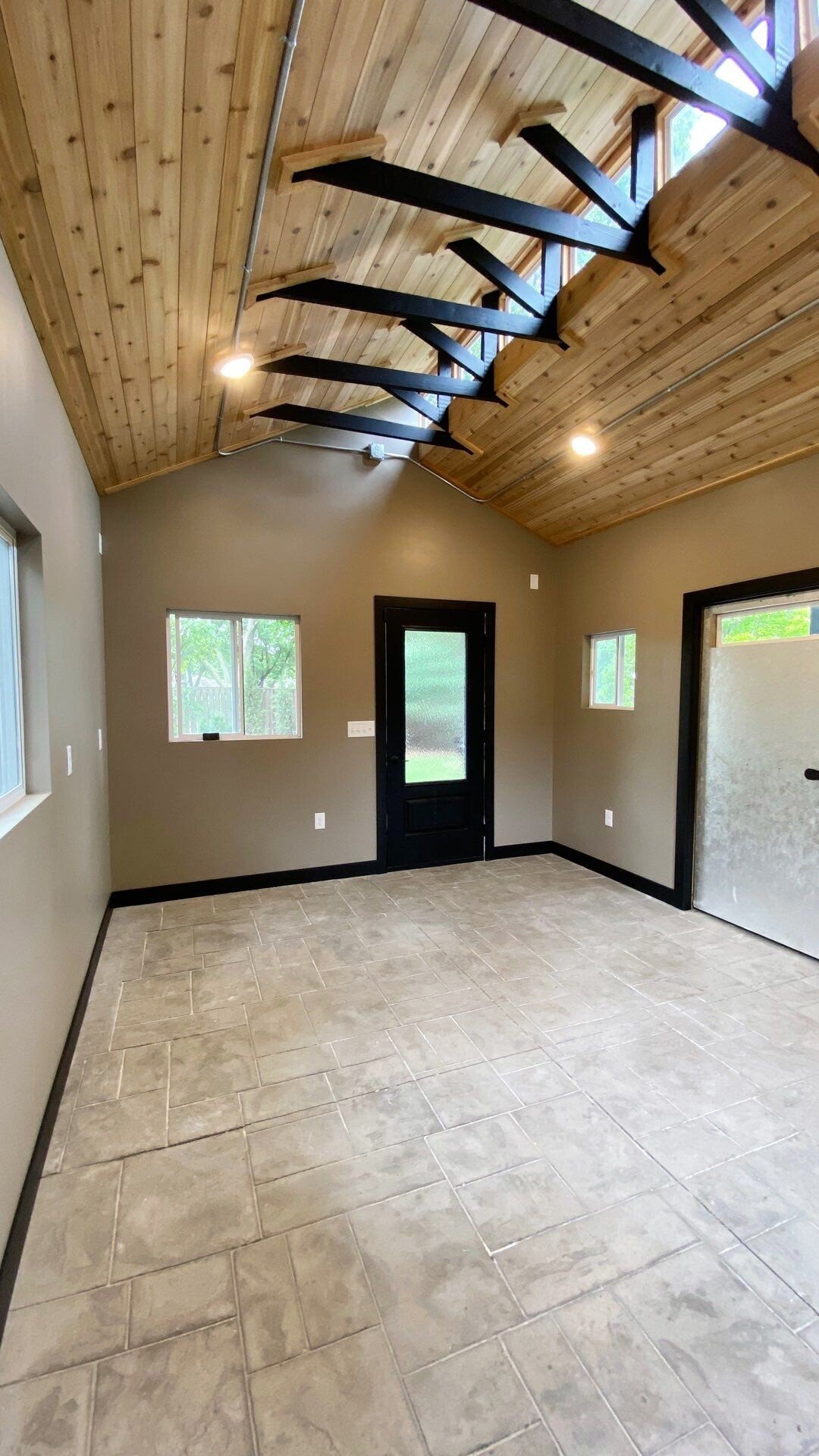
Thinking about freshening up the trim in your Lincoln home with new baseboards, trim around doors, maybe even some crown molding or built-ins? Great idea. Finish carpentry can dramatically improve how your space looks and feels, but cost can vary widely depending on what you’re after.
Here’s a solid breakdown of what you might expect, what drives the price up or down, and how to budget smartly for trim carpentry in Lincoln.
Typical Cost for Common Trim Projects
Here are some ballpark numbers for finish carpentry jobs you might do around a home. Prices reflect both materials and labor.
Baseboard installation (one room, basic, prefinished baseboard): Starting at $800
Wainscoting installation: Starting at $1000
Full‐home baseboard/trim refresh): Starting at $3600
Larger homes or premium trim/custom work: Often $1,500 – $4,000+, depending on materials and detail
If you’re upgrading a few rooms—baseboards, door casing, maybe crown molding—many Lincoln homeowners see projects fall in the $3,000–$6,000+ range. If it’s a full-house or premium trim package, budget on the higher end.
What Influences the Final Price?
Not all trim carpentry jobs are created equal. Here’s what affects how much your project will cost:
1. Trim Style and Materials
Simple pine or MDF baseboards are inexpensive. But wide baseboards, decorative casings, hardwood, or custom profiles cost more. More intricate trim increases both materials and labor.
2. Scope of Work (Linear Feet and Complexity)
Replacing trim in a single room is naturally cheaper. But if you’re doing multiple rooms, built-ins, or trim around stairs and windows, expect higher costs. More linear feet often equals better per-foot pricing, but complexity adds time.
3. Prep Work & Removal
If old trim needs to be removed, drywall repaired, paint touched up, or baseboards pulled before new work, that adds labor. Hidden issues behind old trim (e.g. uneven walls) also raise cost.
4. Finishing & Paint/Stain Work
Priming, painting, or staining trim adds cost per linear foot. Premium finishes or stain work increase the price further. For baseboards and crown molding, finishing can add $1–$3 per foot.
5. Quality of Craftsmanship
Skilled carpenters who deliver tight joints, smooth transitions, and clean lines cost more—but that difference shows every day. Poor finish carpentry tends to wear poorly or look off after a few months.
6. Job logistics
Smaller, one-room jobs might cost more per foot because setup and cleanup costs are spread over less work. Larger jobs are more efficient per foot. Scheduling, seasonal demand, and material availability can also affect price.
What Many Lincoln Homeowners Overlook
Underestimating waste: you generally need 5–10% extra trim for cuts, mistakes, and waste.
Prep & cleanup costs—patching, sanding, painting walls, floor protection—often get overlooked but add up.
Mismatched finishes—if new trim doesn’t match existing baseboards, you may want to repaint or refinish full sections.
Hidden surprises—uneven walls, warped floors, or older framing that shifts. These increase labor and time.
How to Get the Best Value for Trim Carpentry
If you want a great-looking job without overpaying, here’s how to maximize value:
Choose a reputable carpenter who shows past work—photos of tight joints, clean baseboards, and consistent finish go a long way.
Plan for full runs (multiple rooms) rather than small patches — bulk work tends to lower per-foot cost.
Combine trim replacement with other work (doors, casing, baseboards) to save on setup and cleanup fees.
Choose materials and trim profiles that balance durability and cost. MDF or pine baseboards hit a nice middle point.
Get a written estimate showing the total cost. Clarity upfront avoids surprises later.
Is Trim Carpentry Worth the Investment? Absolutely!
Fresh trim, clean baseboards, properly installed molding—these projects pay off in how your home feels and functions. Quality trim:
Makes rooms look finished and polished
Hides imperfections in walls or flooring transitions
Gives durability to high-traffic areas
Helps improve resale value or first impressions if you sell
When done right, trim carpentry turns an average room into something that feels intentional.
Ready to Get Your Trim Project Quote?
If you’re in Lincoln, Hammer & Nail is here to deliver craftsmanship that shows. Reach out today to get started on your trim project!