HAMMER & NAIL BLOG

Request an Estimate
Finish Carpentry Kacey Elias Finish Carpentry Kacey Elias

What Is Finish Carpentry and Why It Matters

Finish carpentry is the work that makes your home look complete. It includes trim, doors, built-ins, and all the details that create a polished, intentional feel. This guide explains what finish carpentry is, why it matters, and how it can transform the look and function of your home without a major remodel. If you’re looking for a finish carpenter in Lincoln, we’re happy to help.
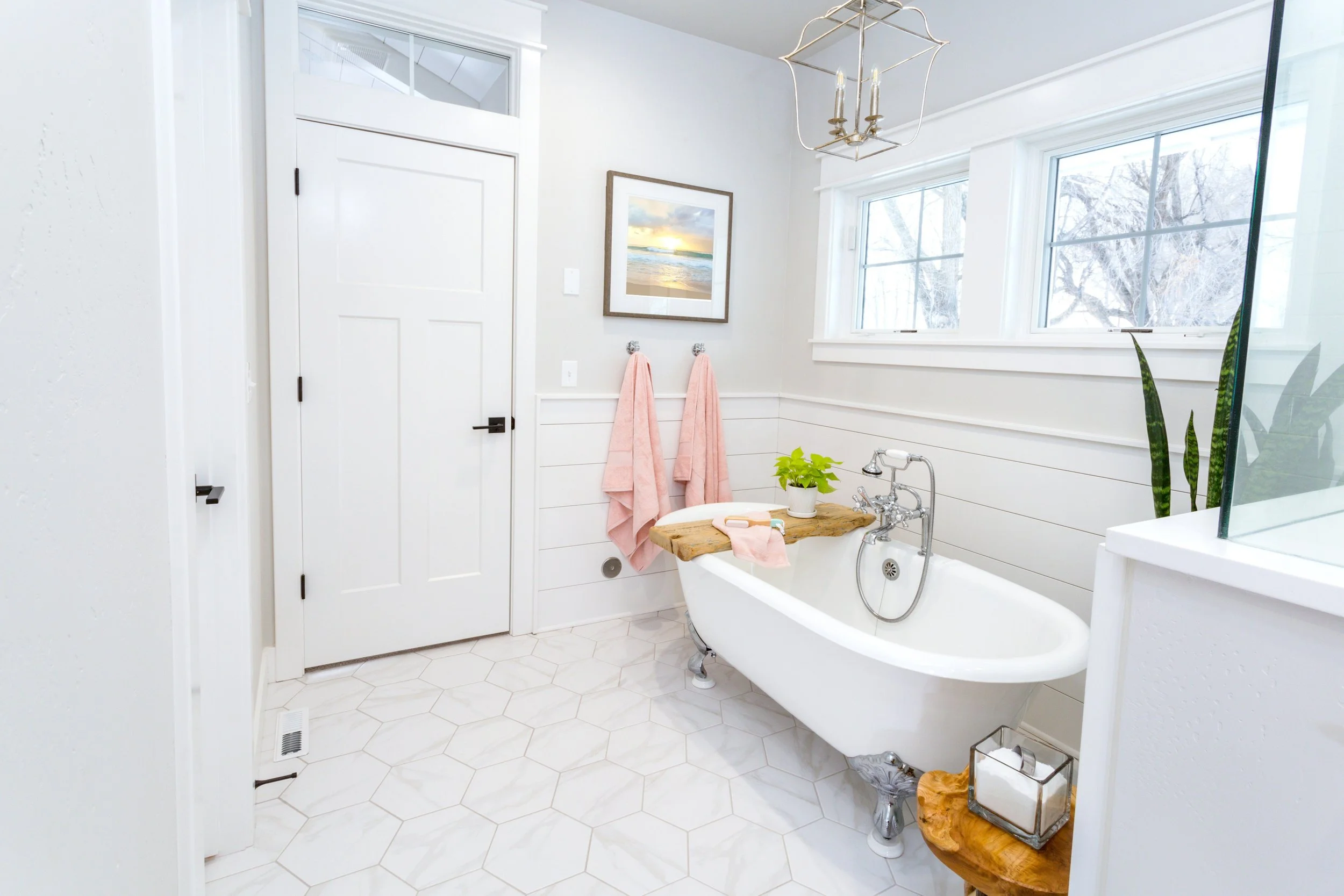
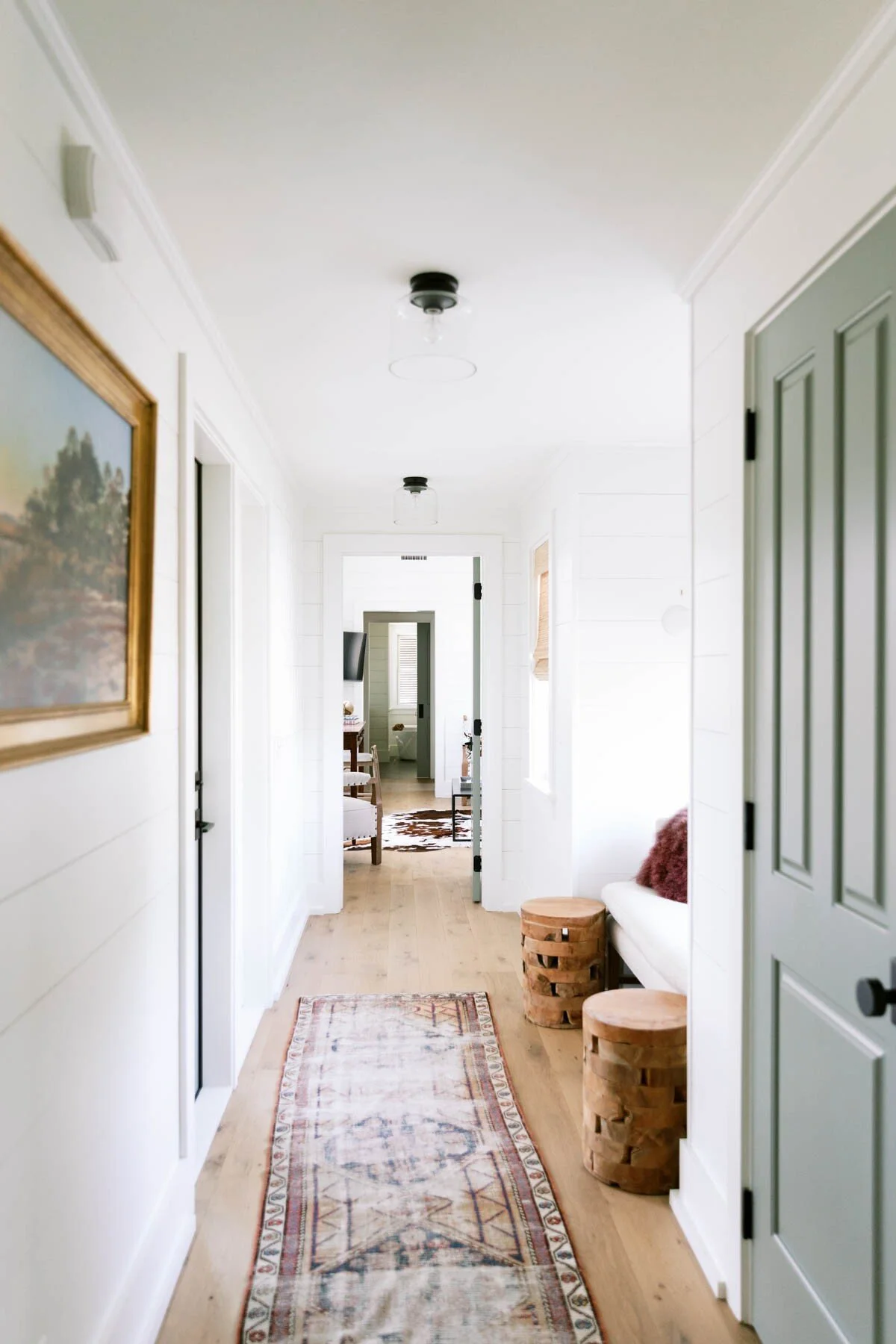
trim work & wainscoting in Lincoln, NE - Hammer & Nail.jpg

When most people think of carpentry, they picture framing a house or building a deck. Important work, of course, but not the kind you notice every day. The type of carpentry that shapes how a home looks and feels is called finish carpentry, and it plays a much bigger role in your home than you might expect.

Finish carpentry is all about details. It is the craftsmanship that turns a house into a finished, put-together space. It is also one of the easiest ways to elevate a home without a full remodel.

Here is a closer look at what finish carpentry includes, why it matters, and how it changes the look of your home.

What Is Finish Carpentry, Exactly?

Finish carpentry is the work that happens after the structural framing is complete. It focuses on visible design elements and functional details that make a home feel polished.

Common examples include:

  • Interior doors

  • Trim and casing

  • Baseboards

  • Crown molding

  • Built-ins and shelving

  • Decorative wall paneling

  • Window trim

  • Stair trim and railings

If it is something you see, touch, and appreciate daily, it is probably finish carpentry.

This is the work that hides gaps, frames rooms, elevates plain drywall, and creates the architectural character buyers often fall in love with.

Why Finish Carpentry Matters So Much

1. It defines the style of your home

Modern. Traditional. Craftsman. Coastal. Transitional.

Trim, doors, and millwork communicate the design language of your home more than paint or furniture ever will.

2. It raises perceived value instantly

Buyers and guests notice details even if they cannot name them. Clean lines, aligned trim, and quality doors make a home feel well cared for.

3. It covers imperfections and improves function

Finish carpentry hides gaps, frames openings, softens transitions, and helps doors actually close the way they should.

4. It is a high-impact, lower-disruption upgrade

You do not have to tear out walls or live in a construction zone. Small changes, big results.

Finish carpentry is the secret weapon of the "wow, this house feels really nice" effect.

What Homeowners Often Don’t Realize

Even though finish carpentry looks simple, it is detailed, precise work. Millimeters matter.

Misaligned trim, crooked shelves, or doors that don’t close perfectly can cheapen the look of an otherwise beautiful home.

Based on our experience, many homeowners who try DIY upgrades or hire the cheapest option end up with work that needs to be removed, repaired, or completely redone. By the time we step in, the total cost is often higher than hiring a professional from the start.

It isn’t that people can’t do it themselves. It just requires:

  • Time

  • Tools

  • Skill

  • Patience

  • An eye for detail

Finish carpentry is a craft and a skillset, not filler work.

The Most Popular Finish Carpentry Upgrades in Lincoln

The upgrades we are asked to help with most often include:

  • New interior doors

  • Modern casing and baseboards

  • Built-in shelving

  • Laundry room storage

  • Fireplace surrounds

  • Accent walls

  • Drop zones or mudroom nooks

These projects transform everyday living spaces without changing the floor plan.

How Finish Carpentry Improves Daily Life

Good finish carpentry doesn’t just look nice. It functions beautifully.

It can help:

  • Doors close smoothly

  • Storage become more efficient

  • Trim hold up better to wear and tear

  • Rooms look more balanced

  • Homes feel more organized and intentional

It is one of the few upgrades that improves both form and function.

Why Finish Carpentry Matters When Selling Your Home

Potential buyers may not notice a brand of paint or appliance model, but they notice:

  • Gaps in trim

  • Cheap doors

  • Mismatched casing

  • Worn woodwork

  • Sagging shelves

Quality finish carpentry can:

  • Increase perceived value

  • Speed up offers

  • Reduce inspection concerns

  • Help your home stand out in competitive markets

Small upgrades can lead to big results.

Ready to Improve the Look and Feel of Your Home?

If you’re thinking about upgrading trim, replacing doors, or adding built-ins, we would love to help. Reach out today to discuss your next project!

Read More
Finish Carpentry, Trim Carpentry Kacey Elias Finish Carpentry, Trim Carpentry Kacey Elias

How Much Does Trim Carpentry Cost in Lincoln, NE?

Wondering how much trim carpentry costs in Lincoln? This guide breaks down typical price ranges for baseboards, casing, crown molding, and custom work, along with what drives costs up or down so you can budget with confidence.

trim installation Lincoln, NE - carpenter Lincoln

Thinking about freshening up the trim in your Lincoln home with new baseboards, trim around doors, maybe even some crown molding or built-ins? Great idea. Finish carpentry can dramatically improve how your space looks and feels, but cost can vary widely depending on what you’re after.

Here’s a solid breakdown of what you might expect, what drives the price up or down, and how to budget smartly for trim carpentry in Lincoln.

Typical Cost for Common Trim Projects

Here are some ballpark numbers for finish carpentry jobs you might do around a home. Prices reflect both materials and labor.

  • Baseboard installation (one room, basic, prefinished baseboard): Starting at $800

  • Wainscoting installation: Starting at $1000

  • Full‐home baseboard/trim refresh): Starting at $3600

  • Larger homes or premium trim/custom work: Often $1,500 – $4,000+, depending on materials and detail

If you’re upgrading a few rooms—baseboards, door casing, maybe crown molding—many Lincoln homeowners see projects fall in the $3,000–$6,000+ range. If it’s a full-house or premium trim package, budget on the higher end.

What Influences the Final Price?

Not all trim carpentry jobs are created equal. Here’s what affects how much your project will cost:

1. Trim Style and Materials

Simple pine or MDF baseboards are inexpensive. But wide baseboards, decorative casings, hardwood, or custom profiles cost more. More intricate trim increases both materials and labor.

2. Scope of Work (Linear Feet and Complexity)

Replacing trim in a single room is naturally cheaper. But if you’re doing multiple rooms, built-ins, or trim around stairs and windows, expect higher costs. More linear feet often equals better per-foot pricing, but complexity adds time.

3. Prep Work & Removal

If old trim needs to be removed, drywall repaired, paint touched up, or baseboards pulled before new work, that adds labor. Hidden issues behind old trim (e.g. uneven walls) also raise cost.

4. Finishing & Paint/Stain Work

Priming, painting, or staining trim adds cost per linear foot. Premium finishes or stain work increase the price further. For baseboards and crown molding, finishing can add $1–$3 per foot.

5. Quality of Craftsmanship

Skilled carpenters who deliver tight joints, smooth transitions, and clean lines cost more—but that difference shows every day. Poor finish carpentry tends to wear poorly or look off after a few months.

6. Job logistics

Smaller, one-room jobs might cost more per foot because setup and cleanup costs are spread over less work. Larger jobs are more efficient per foot. Scheduling, seasonal demand, and material availability can also affect price.

What Many Lincoln Homeowners Overlook

  • Underestimating waste: you generally need 5–10% extra trim for cuts, mistakes, and waste.

  • Prep & cleanup costs—patching, sanding, painting walls, floor protection—often get overlooked but add up.

  • Mismatched finishes—if new trim doesn’t match existing baseboards, you may want to repaint or refinish full sections.

  • Hidden surprises—uneven walls, warped floors, or older framing that shifts. These increase labor and time.

How to Get the Best Value for Trim Carpentry

If you want a great-looking job without overpaying, here’s how to maximize value:

  • Choose a reputable carpenter who shows past work—photos of tight joints, clean baseboards, and consistent finish go a long way.

  • Plan for full runs (multiple rooms) rather than small patches — bulk work tends to lower per-foot cost.

  • Combine trim replacement with other work (doors, casing, baseboards) to save on setup and cleanup fees.

  • Choose materials and trim profiles that balance durability and cost. MDF or pine baseboards hit a nice middle point.

  • Get a written estimate showing the total cost. Clarity upfront avoids surprises later.

Is Trim Carpentry Worth the Investment? Absolutely!

Fresh trim, clean baseboards, properly installed molding—these projects pay off in how your home feels and functions. Quality trim:

  • Makes rooms look finished and polished

  • Hides imperfections in walls or flooring transitions

  • Gives durability to high-traffic areas

  • Helps improve resale value or first impressions if you sell

When done right, trim carpentry turns an average room into something that feels intentional.

Ready to Get Your Trim Project Quote?

If you’re in Lincoln, Hammer & Nail is here to deliver craftsmanship that shows. Reach out today to get started on your trim project!

Read More
Door Installation, Exterior Doors Kacey Elias Door Installation, Exterior Doors Kacey Elias

Too Cold to Replace Your Exterior Door? Here’s How to Time Your Door Project Right

Wondering if it is too cold to replace your exterior door in Lincoln? Here is what temperatures, timing, and weather conditions really mean for your project, and why waiting until spring or summer often gives you better results.
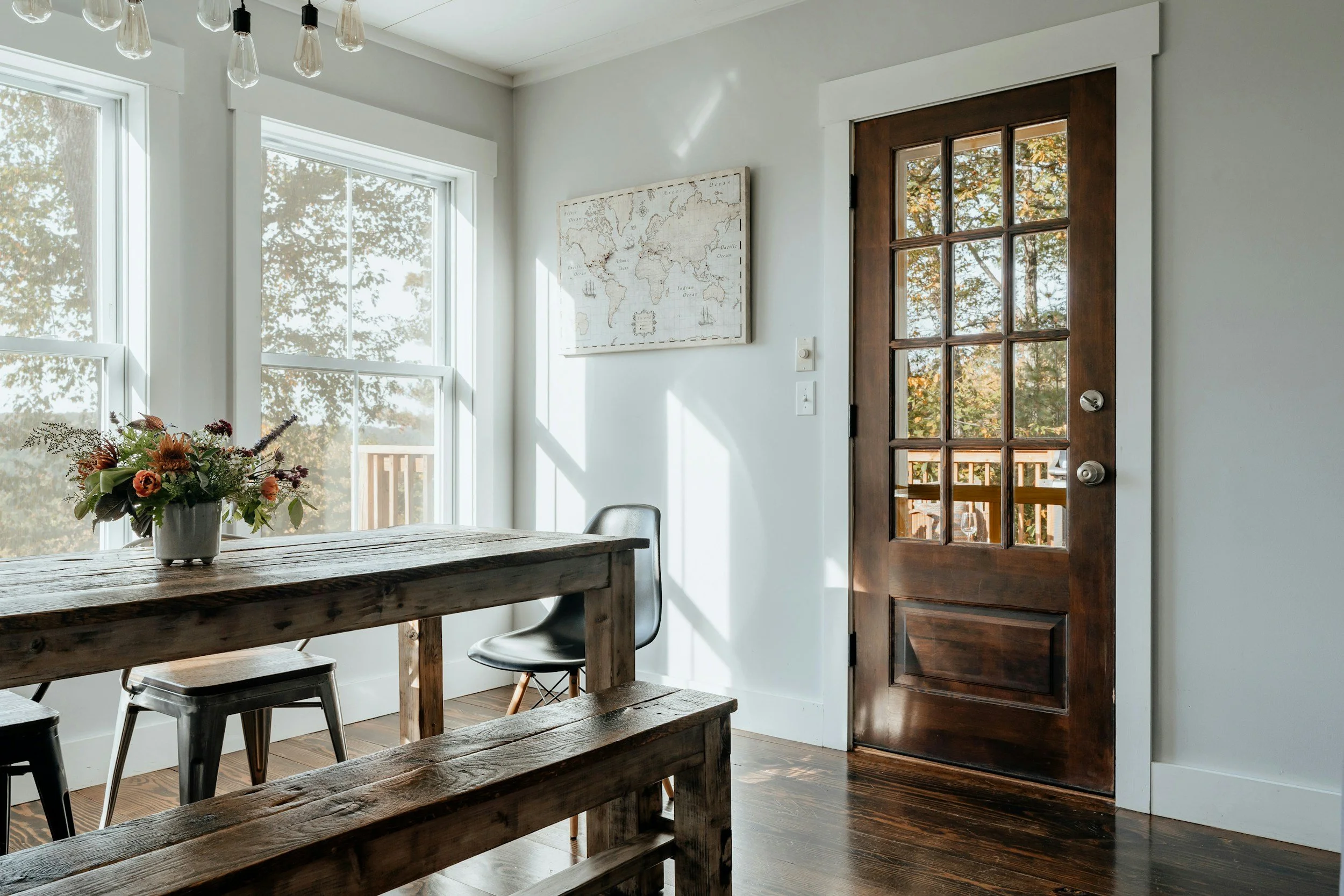
Living in Lincoln means you get used to unpredictable weather. Forty-five and sunny on Monday, freezing rain on Tuesday, sideways wind by Wednesday. So when homeowners ask us, “Is it too cold to replace my exterior door right now?” we completely understand.

Let’s walk you through what actually matters when planning an exterior door replacement as temperatures drop.

Why Timing Really Matters in Lincoln

Exterior doors take a beating here. Winter brings wind that cuts through gaps, summers bring humidity that swells frames, and our freeze-thaw cycles are relentless. Exterior door installation is not just about making your entry look pretty. It is about protecting your home from drafts, moisture, misalignment, and energy loss.

Here is what can happen if you head into winter with a door that already needs replacing:

Cold air gets in, warm air escapes.

Even small gaps let in freezing air, and your furnace works overtime trying to keep up.

Moisture creeps into weak spots.

A failing threshold or cracked frame is the perfect entry point for snowmelt.

Frames shift even more.

The freeze-thaw cycle makes existing alignment issues worse.

Energy bills climb.

A door that is not sealing correctly makes your HVAC system work harder.

Bottom line. An exterior door is part of your home’s protective shell. Timing matters because Nebraska weather is not gentle.

So What Temperature Is Actually Too Cold?

Most exterior door installations should not be done when temperatures drop below 40 degrees. Once we get into the thirties and twenties, several things start working against you.

  • Caulk and sealants won’t cure correctly.

  • Expanding foam can fail or shrink.

  • Wood contracts and shifts.

  • Metal hardware reacts to temperature changes.

  • Paint and stain cannot bond or dry as intended.

And most importantly, cold temperatures make it harder for carpenters to maintain a steady grip and accuracy. Just like you would not want to stand outside for hours in twenty-degree weather, we would never ask our carpenters to do detailed finish work in conditions that make it harder to deliver the level of craftsmanship your home deserves.

Anything below 40 degrees is almost always too cold for an exterior door install, and the lower the temperature drops, the more risk you take on.

Why We Avoid Exterior Door Replacements in Winter

Exterior door installations take time. It’s not a quick removal and replacement.

  • The old door comes out.

  • The frame is examined and adjusted.

  • The new door is leveled and secured.

  • Insulation is applied and must cure correctly.

  • Seals and weatherstripping must adhere properly.

  • Final alignment and finishing happen last.

That leaves a large opening in your home for an extended period. In winter, this means:

  • Your warm indoor air escapes quickly.

  • Cold air pours right inside.

  • Indoor temperatures drop noticeably.

  • Your HVAC system struggles to keep up.

  • Our carpenters cannot work safely or precisely.

  • Paint or stain cannot be applied correctly.

Even if the installation itself could be rushed, the finishing work simply cannot be done in cold temperatures. Paint and stain will bubble, crack, stay tacky, or completely fail.

So in winter, we focus on interior doors, weatherstripping improvements, threshold tweaks, hardware upgrades, and repairs instead.

Should You Replace Now or Wait for Spring?

Here is our guidance for Lincoln homeowners.

Replace in winter only if:

  • It is a true emergency.

  • Your door is damaged or unsafe.

  • You’re the DIY type who is immune to the cold.

Replace in spring or summer if:

  • Your door works but looks dated.

  • You want a style upgrade.

  • You plan to repaint, stain, or finish the door.

  • Your frame needs rebuilding.

  • The weather has already turned cold.

Waiting allows for a better, cleaner, longer-lasting installation.

Lincoln-Specific Things to Keep in Mind

Our wind is no joke.

It pushes cold air directly into your home the moment the door is removed.

Soil movement affects homes here.

Freeze-thaw shifts framing, and a winter install can lock in misalignment.

Fall fills fast.

Many homeowners try to beat the cold, so early scheduling makes a big difference.

Exterior finishes need warmth.

Most stains and paints require warmer temperatures to cure and bond correctly.

Cheap bids can signal corner-cutting.

Some installers will do exterior doors in extreme cold. The work may look fine for a month or two, then fail when the weather shifts.

Why People Call Us

We aren’t the cheapest option in Lincoln. We are the team that treats your home the way we would treat our own.

We live here. We understand the weather. We don’t cut corners with adhesives, insulation, or alignment. And we will tell you the truth about timing, even if it means recommending you wait for warmer weather. That is why homeowners trust us with their exterior door projects year after year.

Not Sure When to Replace Your Exterior Door?

If you’re on the fence about timing, let’s talk. Tell us about your door and upload some photos, and we’ll help you figure out:

  • What condition your door is truly in

  • Whether the current weather window works

  • The best time to replace it for longevity and comfort

Let’s protect your home the right way, not just the fast way.

Read More
Doors, Door Installation, Interior Doors Kacey Elias Doors, Door Installation, Interior Doors Kacey Elias

What Does It Cost to Replace Interior Doors?

Thinking about replacing your interior doors but not sure what it costs here in Lincoln? This guide walks you through average pricing, real examples, and everything that influences the final number so you can plan your project with confidence.

Replacing outdated or cracked interior doors can give your home an instant facelift. New doors make your rooms feel more polished and more peaceful, and the upgrade is often simpler and more affordable than most homeowners expect.

Here is a clear breakdown of what it costs to replace interior doors in Lincoln, what affects the price, and how to budget confidently for your project.

Typical Cost to Replace Interior Doors

In Lincoln, most homeowners pay $600 to $2,000 per door, depending on the type of door, the materials, and the installation requirements. The condition of the frame and trim also plays a role in the final price.

Average Pricing Breakdown

  • Standard hollow-core door replacement: $600 to $900

  • Upgraded solid-core interior doors: $800 to $1,400

  • Premium or custom doors: $1,200 to $2,000 plus

  • Pocket door replacement: $900 to $2,500

  • Closet door replacement, including bifold or sliding styles: $600 to $2000

These ranges often include removal of the old door, installation of the new door, hardware installation, alignment and adjustments, and basic trim touch-ups if needed.

Why the Cost Varies

Replacing a door sounds simple, but every home has its own personality. The cost depends on several factors.

1. Door Type

Hollow-core doors are the most affordable.

Solid-core or wood doors cost more and provide better sound reduction and a more substantial feel.

2. Frame Condition

If your frame is square and in good condition, installation is straightforward.

If the frame is out of alignment, which is common in older Lincoln homes, additional labor may be required.

3. Hardware Choice

Standard hinges and knobs are lower in cost.

Upgraded finishes or specialty hardware increase the total price.

4. Trim and Casing

If the trim needs to be removed and reinstalled or if you want upgraded casing to match the new door, this adds to the project scope.

5. Door Style and Size

Standard styles are less expensive.

Shaker, Craftsman, or custom designs fall on the higher end.

Non-standard sizes require special ordering.

Real-World Examples

Here are some typical costs to replace doors in Lincoln, NE, based on real projects completed by Hammer & Nail. These prices reflect professional labor, materials, and a 3-year peace of mind warranty.

Basic Bedroom Door Replacement

A simple swap with standard materials: $600 to $900

Solid-Core Door for Offices or Bedrooms

Ideal for noise control and a more high-end feel: $800 to $1,400

Pocket Door Replacement

Includes hardware, alignment, and track adjustments: $900 to $2,500

Multiple-Door Projects

More cost-effective per door because setup time is shared: $2,100 to $6,500 plus

Quick cost summary: Interior door replacement is a mid-range project with a high-end visual payoff. It offers a strong return on investment because it updates the look and feel of your home instantly.

Why Replace Interior Doors

New interior doors offer a surprisingly big upgrade. Homeowners love them because they provide:

  • Better sound control

  • A cleaner and more updated look

  • Smooth and quiet function

  • Improved privacy

  • Higher home value

  • A more cohesive design throughout the home

Replacing even a few doors can make your entire home feel more modern and well-cared-for.

Ready to Replace Your Interior Doors?

Whether you are upgrading bedroom doors in Himark Estates, installing solid-core doors in Country Club, or replacing a full row of upstairs doors in Edenton, Hammer and Nail brings craftsmanship that lasts and communication you can count on.

Fill out our estimate request form to get started today.

Read More
Kacey Elias Kacey Elias

What to Expect During a Professional Door Installation

Curious what really happens during a professional door installation? From your first phone estimate to the final smooth, perfectly aligned close, this guide breaks down every step of the process. Learn how expert measuring, shimming, and hardware installation create flawless results—and why Lincoln homeowners trust professional door installers for long-lasting function, better privacy, and a beautifully finished look.
Hint: It’s more than swapping one slab for another.

If you’ve never had a door professionally installed, you might picture something simple: a quick hinge swap, a screw here, a shim there, and voilà—your new door swings like a dream.

In reality? A good door installation is part craftsmanship, part precision, part “your home is charmingly not square, but don’t worry, we’ve got you.”

Here’s what the process really looks like—starting from the very first phone call.

1. A quick phone estimate to make sure we’re the right fit

Every project begins with a short, friendly phone chat.

You tell us what you’re wanting—new interior doors, upgraded style, better privacy, or replacements for the builder-grade originals—and we walk through the details with you.

We’ll ask for photos, talk through the scope, and give you a ballpark estimate right over the phone so you know exactly what to expect before moving forward.

Simple. Clear. Zero pressure.

2. Confirming the right door for your home

Once you give us the green light, we help you confirm the style and construction that fit your space, including:

– Hollow-core vs. solid-core
– Panel style and profile
– Right-hand or left-hand swing
– Trim and casing considerations

This ensures your new doors don’t just function well—they fit your home’s personality.

3. Gathering measurements

We start with precise measurements.

Homes settle over time, and those small shifts add up. Floors dip, walls lean, frames twist just enough to make a supposedly simple project…. not so simple.

Accurate measurements ensure your new doors look like they were built for your home—not borrowed from your neighbor’s.

4. Removing the old door (without the mess)

A pro removes the existing door and hardware cleanly and carefully, protecting your trim and walls in the process. No cracked casing, no damaged drywall, no “oops.”

5. Shimming, leveling & aligning

This is where true craftsmanship shows. We will:

– Shim the frame so the door is perfectly plumb
– Adjust hinges for a smooth, even swing
– Create consistent spacing around the door
– Ensure the latch meets the strike plate just right

This step is why professional installation feels different. The result? A door that closes with a quiet, confident click instead of a “maybe-if-I-push-harder.”

6. Hardware that lines up like it should

Handles, hinges, and latches all need precise placement. A pro ensures everything is installed securely and aligned so your door swings and closes exactly the way it should.

7. The final test: the “wow” moment

Before we wrap up, we make sure the door is aligned, making micro-adjustments until it feels perfect. No drifting open. No sticking. No guessing.

8. Cleanup & finishing touches

We tidy up, walk you through what we completed, and discuss any painting or touch-ups needed. If you're working with Hammer & Nail, we coordinate with our painter so your new doors look crisp, clean, and custom.

Why Professional Installation Matters

Proper installation affects:
– Long-term durability
– Sound control and privacy
– Smooth daily function
– Overall look and feel

A well-installed door instantly elevates your home—no remodel required.

Ready for a door that looks beautiful and works flawlessly?

Start with a quick phone estimate. We’ll walk you through your options, talk through your project, and help you upgrade your Lincoln home with doors that feel as good as they look.

Reach out today for an easy estimate—you’ll be amazed what a perfectly hung door can do.

Read More
Handyman, Aging in Place Kacey Elias Handyman, Aging in Place Kacey Elias

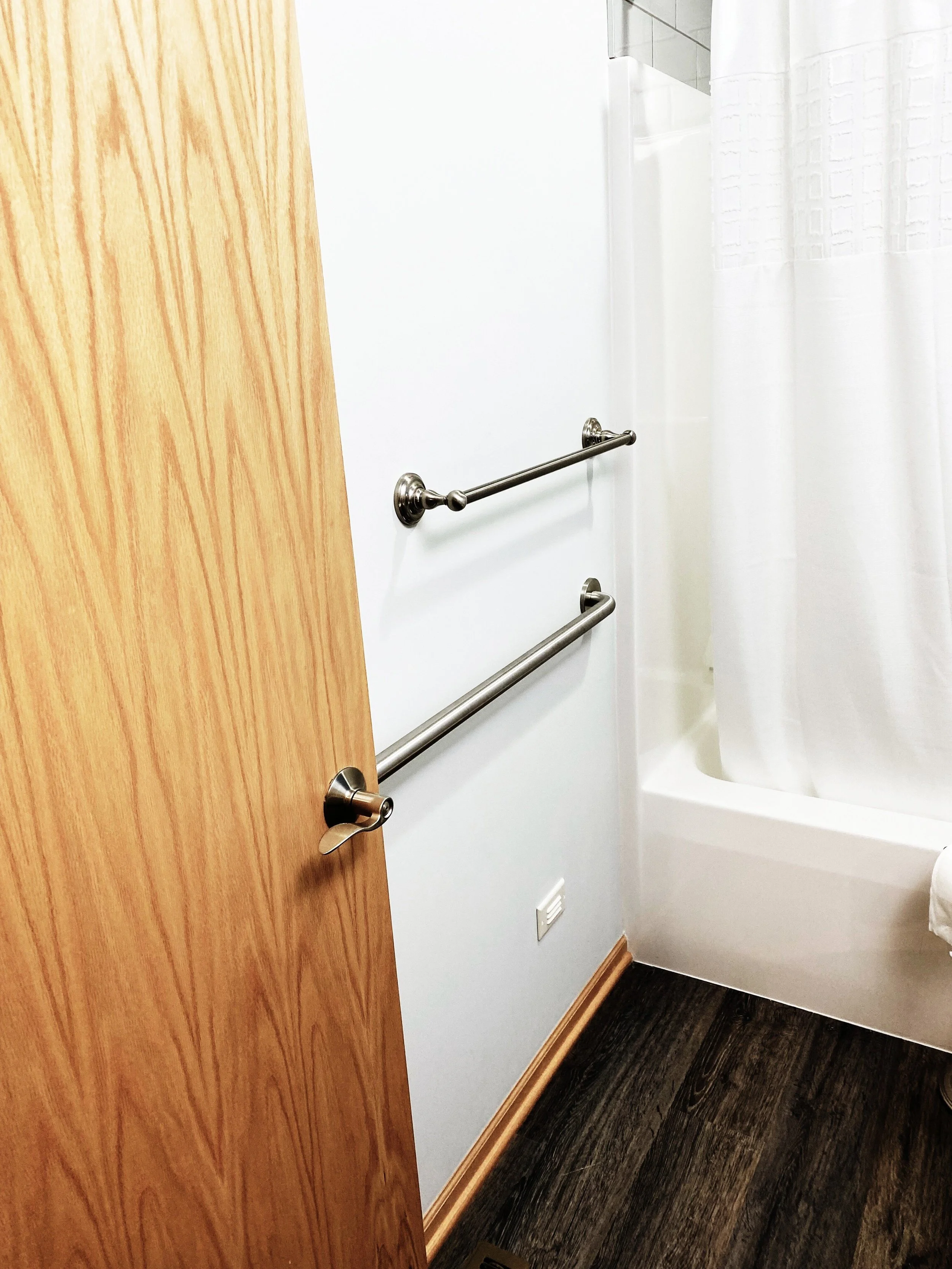
How Grab Bars Help Homeowners Age Safely in Place

Grab bars are a simple and affordable way for Lincoln homeowners to stay safe, steady, and confident at home. This guide explains how grab bars improve mobility, reduce fall risks, and help you age safely in place without a major remodel.
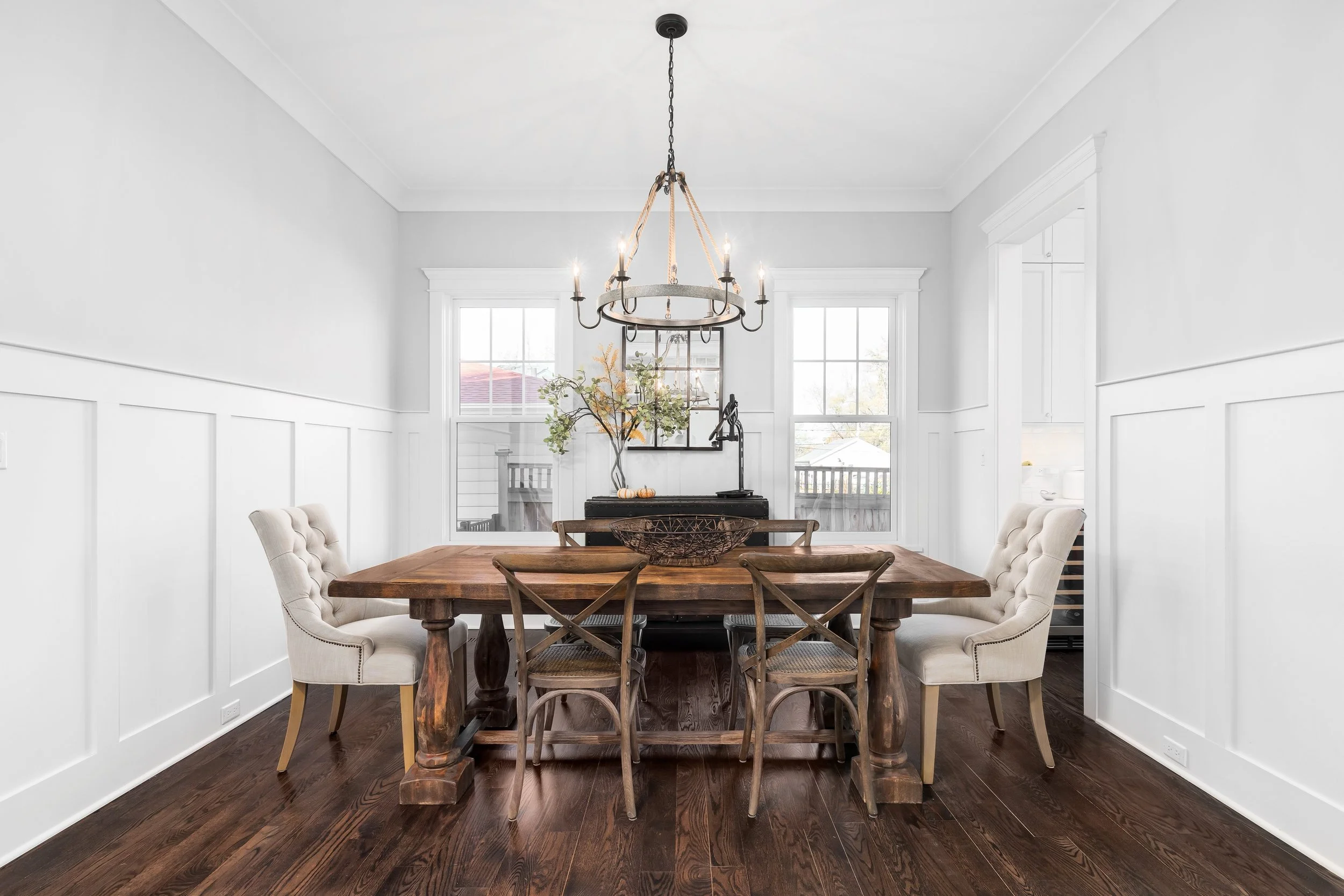
As we get older, our homes should support us, not challenge us. For many homeowners, one of the simplest and most meaningful upgrades for long-term safety is installing grab bars. They are small, discreet, and incredibly effective. Best of all, they make moving around your home feel secure and comfortable without requiring a remodel.

Here is how grab bars make a difference and why they are one of the smartest upgrades for aging safely in place.

1. Grab bars prevent falls in the most common trouble spots.

Bathrooms account for a large percentage of in-home slips and falls. Wet tile, low lighting, and tight spaces create the perfect storm for accidents.

Grab bars help by providing:

  • Steady support when entering or exiting the shower

  • Balance assistance near the toilet

  • Something secure to hold when standing from a seated position

  • Extra stability on slick surfaces

For many homeowners, this upgrade brings instant peace of mind.

2. They support mobility without sacrificing independence.

Many people worry that installing grab bars makes their home feel clinical or “aged.” The opposite is true. Modern grab bars come in attractive finishes and blend easily into your design.

Most importantly, they allow you to move confidently without needing assistance for everyday tasks. That means:

  • More independence

  • Less risk

  • Safer routines

  • A home that works for you now and in the years ahead

3. Grab bars help in more places than the bathroom.

Bathrooms are the most common spot for grab bars, but they are not the only place where they make a difference. Lincoln homeowners are adding grab bars in:

  • Hallways

  • Near garage steps

  • Entryways

  • Beside beds

  • Laundry rooms

  • Anywhere a little support increases safety

The goal is to make your home easier to navigate, especially in high-use or high-risk areas.

4. They reduce strain on joints and improve comfort.

Standing up from low seating, stepping into a tub, or moving from one level to another can strain joints. Grab bars act as a steady anchor so you can move more naturally and comfortably.

This matters for anyone dealing with:

  • Arthritis

  • Balance challenges

  • Post-surgery recovery

  • Muscle weakness

  • Limited mobility

A small amount of support can make daily tasks much easier.

5. Proper installation matters for safety.

Grab bars must be professionally installed so they can support real weight. This often means:

  • Anchoring into studs

  • Using secure mounting hardware

  • Choosing the right height and angle

  • Placing bars based on your body mechanics

A poorly installed grab bar can be risky. A correctly installed one becomes one of the safest features in your home.

6. Grab bars are one of the most affordable safety upgrades.

Compared to bigger mobility projects, grab bars are cost-effective and fast to install. They offer tremendous value for the level of safety they provide.

Homeowners often choose grab bars because:

  • They improve long-term safety

  • They reduce fall risk

  • They protect independence

  • They require no major renovation

It is a practical upgrade with a meaningful impact on quality of life.

Aging in place starts with thoughtful upgrades.

Your home should feel supportive, safe, and easy to enjoy. Grab bars are a simple step that makes everyday life smoother and helps prevent injuries before they happen.

Ready to Add Grab Bars to Your Home?

If you're considering adding grab bars or safety upgrades in Lincoln, we’d be glad to help—reach out for an estimate.

Read More
Trim Kacey Elias Trim Kacey Elias

How New Trimwork Can Make a Home Look Fresh Again

New trimwork is one of the fastest ways to modernize an older Lincoln home. Fresh baseboards and casings create clean lines, hide decades of wear, and make every room feel more polished—no remodel required.

When a full remodel isn’t always in the cards (or the budget), there’s one upgrade that delivers an instant refresh without turning your life upside down:

New trimwork.

Baseboards, casings, trim, and all the little finishing details you walk past every day. Update them, and suddenly your home looks polished and delightfully up-to-date.

Let’s talk about why.

1. Trimwork creates clean, modern lines—even in an older home

Over the years, trim can get dinged, warped, yellowed, or mismatched from one room to the next. New trim brings everything back to center, adding those crisp, clean lines that make a room feel instantly more pulled together.

Think of it as the home equivalent of a good haircut: suddenly, everything looks sharper.

2. It hides imperfections your home has collected over the decades

Homes settle. Walls develop tiny waves, floors shift, and corners no longer meet at a perfect 90°.

Quality trimwork helps:

– Conceal gaps
– Smooth out transitions
– Create symmetry

You’d be surprised how much “wow, this room feels better” comes from tidy edges.

3. It sets the tone for your home’s style

Trim is one of those details you don’t notice until it’s wrong.

Swapping out dated or damaged trim or something timeless—like craftsman-style casings or wider baseboards—instantly changes the vibe of your space.

Modern farmhouse? Traditional classic? Clean and contemporary?

Trim is the little detail that makes those styles feel intentional rather than accidental.

4. It makes your paint look… better (truly)

New trim gives clean edges, smoother lines, and the perfect frame for your wall color. Even the prettiest paint looks a little tired when surrounded by beat-up trim.

Fresh trim = a room that feels brand-new.

5. It boosts home value without a full remodel

Buyers (and guests) may not always name the difference, but they absolutely feel it.

Upgraded trim signals quality and care—two things that stand out in a home. It’s a high-impact, lower-disruption project that elevates your whole home at once.

Why hire a pro for trim installation?

Trim is all about precision:
– Miter cuts
– Coping
– Tight reveals
– Perfect corners
– Smooth transitions

A professional craftsman makes sure everything fits flawlessly and looks seamless from room to room.

At Hammer & Nail, we excel at installing trim and finish carpentry. We’re obsessive about clean lines, tight corners, and the kind of craftsmanship that holds up for decades.

Ready to give your Lincoln home a fresh look?

New trimwork is one of the simplest, highest-impact upgrades you can make—and we’d love to bring it to life for you.

Reach out for a hassle-free estimate, and let’s make your space look brand-new again!

Read More

Add Smart Storage with Custom Closet Shelving

Maximize every inch of your closet with custom shelving built around how you actually live. From vertical storage to shoe shelves to perfectly spaced cubbies, this upgrade delivers instant organization and a more high-end feel to your Lincoln home.

Spoiler: It’s not about having more space—it’s about using the space you already have.

If your closet currently falls into the category of “stuff avalanche waiting to happen,” you’re in good company.
Many Lincoln homes—charming as they are—weren’t exactly designed with modern storage needs in mind.

But here’s the good news: You don’t need a bigger closet. You just need a smarter one.

Enter: custom closet shelving.

One of the most transformative, budget-friendly upgrades you can make to your home.

1. Custom shelving gives every item an actual home

The biggest cause of closet chaos?

Things that don’t have a designated spot.

Custom shelving changes the game by creating:

– Dedicated shoe storage
– Built-in organization for folded items
– Vertical storage for bins
– Adjustable shelves
– Space for bags, baskets, and seasonal items

Suddenly, everything has a place. And stays there. It feels like magic, but it’s actually just good carpentry.

2. It maximizes every square inch—floor to ceiling

Builder closets tend to have one lonely rod and a single wire shelf.

The rest of the space? Wasted.

Custom shelving uses the entire closet:

– Higher shelving for things you don’t reach daily
– Lower shelving for shoes and accessories
– Mid-height shelves for everyday items
– Clever corner solutions
– Stacked vertical storage you never knew you needed

It’s like unlocking hidden square footage.

3. It makes your morning routine ridiculously smoother

Imagine opening your closet and actually finding what you’re looking for.

No digging.
No hunting.
No “Where did that sweater go?!” moments.

A well-designed closet gives you time back every morning—and maybe even lowers your stress level.

4. It instantly makes your home feel more high-end

Custom shelving gives your closet structure, intention, and that polished, built-in look.

Even a simple shelving system makes an older home feel more updated and more functional.
And for resale? Buyers love storage. Love it.

5. It’s fully tailored to the way YOU live

Unlike store-bought systems, custom shelving is built around your actual needs:

– Shoe lover?
We can give you rows. Glorious, glorious rows.

– Sweater stacker?
Deep shelves that don’t send your clothes sliding off.

– Minimalist?
Simple, clean shelves and a streamlined design.

– Kids?
We create kid-friendly zones they can actually reach.

It’s storage that works with you, not against you.

Why hire a finish carpenter for closet shelving?

Because closets are full of quirks—uneven walls, sloped floors, weird corners, vent cutouts.
A professional builds around your home’s unique layout to ensure every shelf is sturdy, level, and built to last.

At Hammer & Nail, we install custom closet shelving all over Lincoln. Whether you need a small reach-in makeover
or a full walk-in redesign, we build it clean, strong, and beautifully aligned.

Ready to upgrade your closet without turning your
home upside down?

Custom closet shelving is one of the smartest upgrades you can make—and the payoff is instant.

Reach out for an estimate—let’s turn your closet into the most organized space in your home!

Read More
Handyman, Carpenter Kacey Elias Handyman, Carpenter Kacey Elias

Handyman vs. Carpenter vs. Contractor: Who Should You Hire?

Trying to decide whether you need a handyman, a carpenter, or a contractor for your next project in Lincoln? This quick guide breaks down the differences, explains what each professional does, and helps you choose the right fit for your home and your budget.

Handyman: The Go-To for Repairs, Small Projects & General Home Fixes

A handyman is who you call when your home needs reliable repairs or small improvements. They take care of the details that make your house feel right again.

Best For:

– Replacing interior doors
– Fixing sticky or misaligned doors
– Installing baseboards or trim
– Mounting TVs or shelves
– Repairing drywall
– Rebuilding garage steps
– Touch-up carpentry
– Weatherstripping and thresholds

Why Homeowners Choose a Handyman

Handymen are ideal for projects that require skill and experience—but not an entire construction crew. A good handyman service (hi, it’s us) acts as the bridge between DIY and a full-blown remodeler.

Homeowners appreciate:
– Faster scheduling
– Lower cost than a general contractor
– Skilled craftsmanship without the “big job” fuss
– Clear communication
– Projects done in one day or less

If your project is maintenance, repair-focused, or primarily involves doors or small carpentry, a handyman is typically the perfect fit.

Handyman Cost Expectations in Lincoln, NE: $

Handyman services are generally the most affordable option in Lincoln, making them ideal for small-to-medium repairs and quick improvements.

Carpenter: The Specialist for Detailed Woodwork & Custom Projects

Think of a carpenter as an artisan with a tape measure. Carpenters specialize in wood-based projects requiring precision, creativity, or custom craftsmanship.

Best For:

– Custom trimwork or full-home trim updates
– Custom fireplace surrounds or mantels
– Built-in shelving
– Accent walls (board and batten, shiplap, modern trim designs)
– Replacing or upgrading multiple interior doors
– Framing small structures or walls
– Advanced stair or railing work

Why You Might Choose a Carpenter

If you want something custom, beautiful, or designed to last longer than a Nebraska winter, a carpenter is the professional you call.

Homeowners often prefer a carpenter when:
– They want upgraded, modern trim throughout the home
– They’re changing the look of multiple rooms
– They want a custom-built solution (mantel, shelving, accent wall)
– Precision and finish work matter most

Carpenters bring craftsmanship and detail to the forefront—great for homeowners ready to elevate their style.

Carpenter Cost Expectations in Lincoln: $$

Carpenters typically cost more than handymen because they provide higher-end craftsmanship and detailed, custom woodwork.

Contractor: The Right Fit for Large-Scale Remodeling

A general contractor is the pro for big jobs—projects requiring multiple trades, permits, inspections, or structural work. They coordinate plumbers, electricians, drywallers, and more.

Best For:

– Kitchen renovations
– Bathroom remodels involving plumbing/electrical
– Removing or moving walls
– Additions and expansions
– Basement finishing
– Multi-room remodels

Why Hire a Contractor?

If your project involves permits, licensed trades, or structural changes, you want a general contractor. They manage the entire project—start to finish—and make sure everything meets code.

Hiring a contractor is essential when:
– You’re redesigning entire spaces
– The job requires multiple specialized trades
– Safety and code compliance are involved
– Multiple rooms or systems are affected

Contractor Cost Expectations in Lincoln: $$$

Contractors are the most expensive option since their projects involve multiple trades, permits, and full-scale construction or remodeling management.

So… Who Should You Hire?

Here’s an easy way to think about it:

Hire a Handyman if…

– The project is small to medium
– It’s repair or maintenance-based
– You want a cost-effective, skilled pro who can knock it out quickly
– You want one company to handle a list of projects

Hire a Carpenter if…

– You want custom woodwork or high-end trimwork
– You’re upgrading the style and finish inside your home
– You’re replacing multiple interior doors or updating a whole level
– You want craftsmanship that stands out

Hire a Contractor if…

– You’re remodeling multiple rooms
– Large plumbing or electrical work is involved
– You’re changing the layout or structure of your home
– The project requires permits

Where Hammer & Nail Fits In

Hammer & Nail specializes in the sweet spot between handyman and carpentry services:

– Door installation & repair
– Trim and baseboard upgrades
– Custom carpentry
– Small remodels like mudrooms, closets, and laundry rooms
– Stair and step repairs
– Fireplace surrounds and mantels
– Punch-list projects done with precision

We’re not the $50-and-a-smile guy, and we’re not a full-scale remodeling contractor. We’re happy to help with those small and medium-sized projects.

And yes… every project is backed by a 3-year workmanship warranty and helps support local animal rescues.

Ready to Tackle Your Project?

We’d love to help you choose the right path and deliver craftsmanship you can count on. Request an estimate today!

Read More
Handyman Kacey Elias Handyman Kacey Elias

Why DIY or the Cheap Guy Often Costs More in the Long Run

DIY and low-cost fixes can seem budget-friendly at first, but many Lincoln homeowners discover that these choices often lead to bigger repairs, more expenses, and unfinished projects. Here is why the cheap option usually becomes the most expensive one.

DIY projects and cut-rate labor can look like smart budget choices at first. There is the lure of saving money, the satisfaction of doing it yourself, or the promise that the “cheap guy” can squeeze you in for a low price. But the reality many Lincoln homeowners discover is simple: these options often become the most expensive choices in the end.

At Hammer and Nail, we occasionally meet clients after they tried DIY or hired the cheap guy. By the time we arrive, the project is now two projects. We have to undo the poor work, repair the damage it created, and then complete the project correctly. That double work always costs more than having it done right the first time.

Here is why the budget-friendly options often turn into budget-busters.

1. Tools and materials add up fast.

DIY videos rarely mention the full tool list.

A saw, a level, a nailer, a sander, a multi-tool, the right fasteners, and finishing materials. The cost of these items often exceeds the cost of hiring a professional for a simple project.

Cheap labor often brings the same issue. They may not have the right tools, or the tools they bring may not be appropriate for a precise finish. Homeowners end up paying for materials they never planned on buying.

Example: Replacing trim or a door frame looks simple at first glance, but most homeowners are surprised by how many tools it actually takes.

2. Mistakes cause extra repairs and wasted materials.

A single miscut board becomes expensive.
A cracked frame requires reinforcement.
A misaligned baseboard needs to be replaced.

DIY attempts and low-cost hires often rely on trial and error, and the trial usually happens on your project. Mistakes are part of that learning curve, and those mistakes cost money. By the time the dust settles, the “simple” repair has turned into a bigger fix.

3. Cheap work often means paying for the same project twice.

This is the most common story we hear from homeowners across Lincoln. A door, a piece of trim, a step, or a drywall repair was done cheaply. It looked fine for a little while. Then it shifted, cracked, or came loose.

When we arrive, we have to remove the previous attempt, fix the underlying problem, and rebuild the project properly. You essentially pay twice. The first time for a quick fix, and the second time for a correct fix.

This is exactly why the cheap option becomes the expensive option.

4. Poor installation shortens the life of the repair.

Even high-quality materials will fail early if they are not installed correctly. Incorrect spacing, weak fasteners, bad alignment, skipped prep work, or sloppy finishing all lead to early failure.

Professionals focus on durability, not just appearance. Cheap work focuses on getting in and out quickly.

The difference shows up later when the trim separates, the door sticks again, or the stair squeaks louder than ever.

5. Safety risks are often hidden.

Loose steps, unstable railing, improperly secured shelving, or incorrectly wired fixtures can cause serious safety concerns. Cheap work can hide problems behind a good-looking surface.

Your home deserves better than that. Your family definitely deserves better than that.

6. Your time is valuable too.

DIY always takes longer than expected. Hiring the inexpensive guy often leads to waiting, rescheduling, last-minute cancellations, and sometimes the project never gets completed at all.

Your evenings, weekends, and energy have value. When you add up the time spent researching, troubleshooting, or trying to get someone to return your call, the savings begin to disappear.

7. Poor workmanship affects home value.

When it comes time to sell, inspectors notice everything. Crooked trim, patched door frames, uneven flooring transitions, or wobbly fixtures become negotiation points or repair requests that cost real money.

DIY or cut-rate work may seem fine now, but it often shows up as a line item later.

8. Professional work lasts longer and feels better every day.

A door that closes smoothly, trim that sits flush, stairs that feel solid, and finishes that actually look clean all create daily comfort. Cheap work can look fine at first, but it rarely holds up.

Quality is not just about appearance. It’s about durability, safety, and peace of mind.

So which option is truly more expensive?

DIY feels cheap at first. Hiring the cheap guy feels like the second-cheapest option. Hiring a professional feels like the most expensive option.

But once you add in wasted materials, extra tools, mistakes, repeat repairs, lost time, frustration, hidden damage, and safety risks, the professional is almost always the most cost-effective choice in the long run.

Quality is an investment, not an expense.

Ready to get the job done correctly the first time?

If you’re tired of repeat repairs or your project has outgrown the DIY stage, we’re here to help.

Reach out here, and we’ll talk through your project. No headaches. No repeat repairs. No surprises.

Read More
Handyman, Home Repair Kacey Elias Handyman, Home Repair Kacey Elias

How Much Does a Handyman Cost?

Curious what handyman services cost in Lincoln, NE? From door replacements to trim upgrades, pricing can vary widely depending on the size and scope of your project. In this guide, we break down what Lincoln homeowners can expect to pay, what affects those costs, and how to choose the right professional for your home. If you want clear answers—not surprise invoices—you’re in the right place.

If you’re planning a home repair or carpentry project here in Lincoln, Nebraska, you’ve probably wondered: “How much does a handyman cost in Lincoln?” Prices vary depending on the job, the company, and the level of craftsmanship you’re looking for—but Lincoln homeowners deserve clear answers, and that’s exactly what we’re here to provide.

Whether you live in Firethorn, Williamsburg Village, Porter Ridge, or Edenton, understanding how handyman pricing works helps you hire confidently and avoid surprises. Let’s walk through what Lincoln residents can expect.

What Affects the Cost of Hiring a Handyman?

1. Scope of Work

Home repair projects range from simple fixes to detailed carpentry. Replacing a light fixture or adjusting a door latch falls on the low end, while rebuilding garage steps, replacing interior doors, or updating trimwork takes more time, tools, and expertise.

The more complex the job, the higher the cost, which holds true across Lincoln, NE handyman services.

2. Labor Costs in Lincoln

Hourly rates for handyman services in Lincoln typically range from $50 to $250 per hour, depending on expertise, insurance, business structure, and whether you’re hiring an established Lincoln handyman service or an informal side gig.

At Hammer & Nail, we keep things simple with flat-rate pricing and upfront, written estimates so Lincoln homeowners always know what to expect.

3. Season & Scheduling

Typically, the busiest home repair seasons are spring and summer—especially for outdoor carpentry, garage repairs, deck repairs, and exterior door replacements. During peak months, demand rises.

If your schedule is flexible, many homeowners save money by booking non-urgent projects in the winter.

Average Cost of Handyman Services in Lincoln, NE

Here are some typical ranges based on actual projects across Lincoln completed by Hammer & Nail:

  • Minor repairs: $150-$300

  • Ceiling fan replacement: $200–$350

  • Drywall repair: $250-$600

  • TV mounting: $200–$400

  • Interior door replacement: $150–$600

  • Exterior door replacement: $700-$3,000

  • Replacing garage stairs: $600–$1600

Pricing varies based on the age of the home, material needs, and the equipment and skill required.

DIY vs. “The Cheap Guy” vs. Hiring a Professional Handyman Service

The DIY Route

Many homeowners are no strangers to rolling up their sleeves—especially when YouTube says it’s “easy.” But DIY repairs take time, tools, and more than a few deep breaths. Sometimes it saves money; sometimes it creates a second project.

The Cheap Guy

Every neighborhood—from Yankee Hill to Country Club—has the guy who “does a little of everything” for cash. He may be inexpensive, but he may also disappear mid-project or lack insurance when you need it most.

The Professional

This is where Hammer & Nail stands out in the Lincoln market.

We deliver:

  • Skilled, vetted, uniformed technicians

  • Clean, professional workmanship

  • Upfront estimates

  • Organized communication

  • A 3-year workmanship warranty

  • A reliable, insured local business that will absolutely still be around when you need us later

Most of our clients reach out because they want a long-term relationship with a trusted Lincoln handyman service—not just a quick fix.

Why Handyman Services Have a Minimum Charge

A minimum charge helps cover:

  • Travel

  • Time on site

  • Tools and equipment

  • Business overhead

  • Prep and cleanup

Our minimum charge is $250, which allows us to provide dependable scheduling and high-quality service to homeowners throughout Lincoln—no matter the size of your project list.

Ready to Start Your Lincoln Home Repair or Carpentry Project?

Whether you’re ready to replace your interior doors in Porter Ridge, needing new baseboards in Himark Estates, or a full to-do list in South Lincoln, we’re here to help.

Here’s how to get started:

  1. Fill out our estimate request form and send us a photo of the space or repair.

  2. Get a clear, upfront estimate.

  3. Enjoy professional, craftsmanship-driven service backed by a 3-year warranty.

Hammer & Nail serves homeowners across Lincoln, NE with dependable handyman and carpentry services—including door installation, door repair, trimwork, drywall repair, and small remodels.

We’d love to help you get your next project crossed off the list.

Read More