
Why Finish Carpentry Is the Detail That Makes a Remodel Look High-End
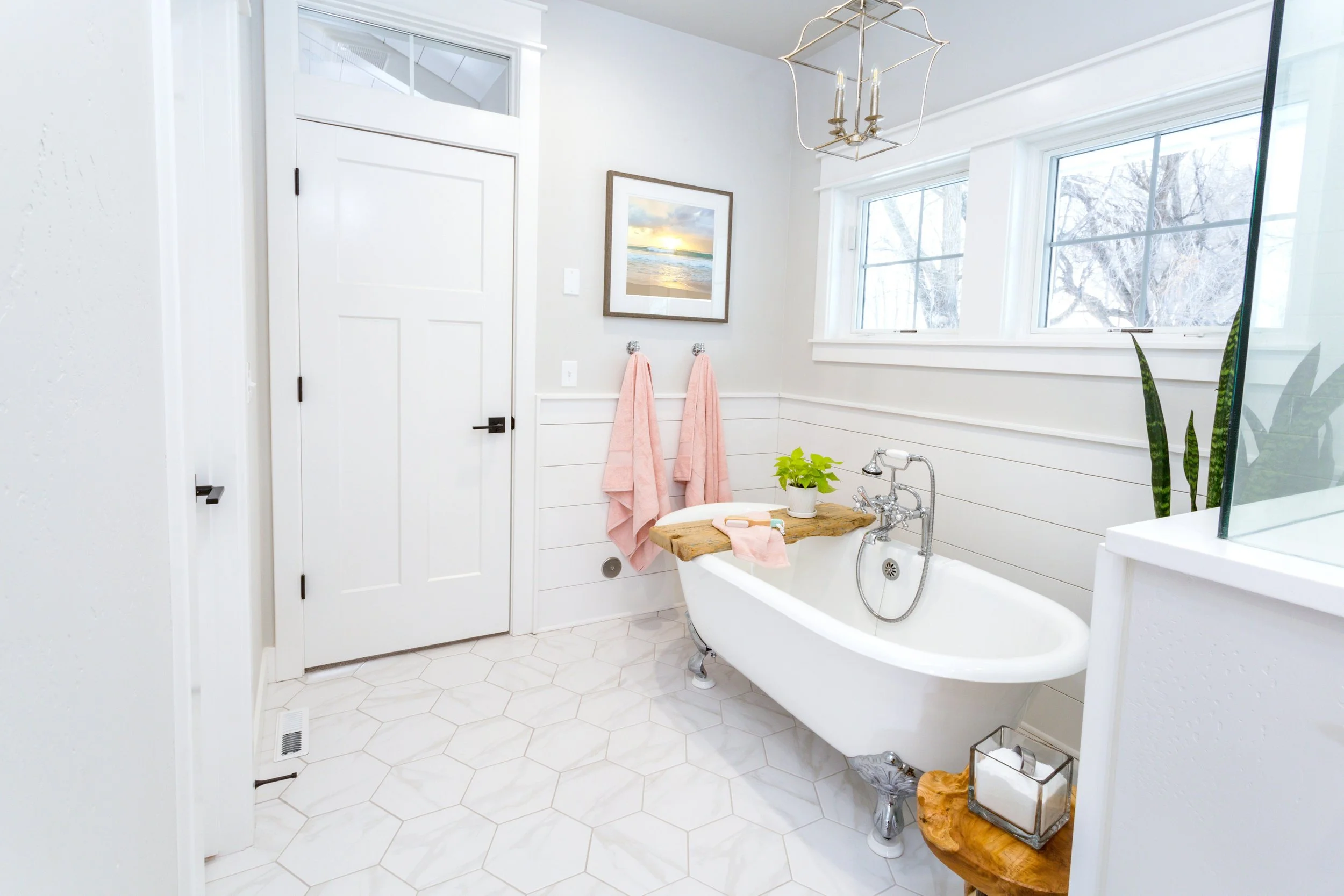
The difference between a remodel that looks fine and one that looks truly high-end almost always comes down to finish carpentry.
You can invest in beautiful materials, modern layouts, and new appliances, but if the trim is rushed, the doors don’t close cleanly, or the details feel inconsistent, the entire project loses its polish. Finish carpentry is what pulls everything together and makes a remodel feel intentional rather than pieced together.
What Finish Carpentry Really Is
Finish carpentry is the final layer of craftsmanship that homeowners see and interact with every day. It includes the details that frame a space and define its character, such as:
Interior doors
Trim and casing
Baseboards
Crown molding
Built-ins and shelving
Accent walls and wall paneling
Stair trim and rail details
These elements don’t just decorate a space. They give it structure, balance, and visual flow.
Why Finish Carpentry Changes the Feel of a Remodel
It creates clean lines and visual consistency
High-end homes feel calm and cohesive. That’s not an accident. Finish carpentry aligns edges, frames openings, and creates repetition that the eye naturally reads as quality.
It hides imperfections you didn’t even know were there
Walls are rarely perfectly straight. Floors shift. Ceilings move. Finish carpentry is what allows a remodel to look flawless despite the realities of construction.
It elevates simple materials
Even modest finishes look better when paired with well-executed trim and thoughtful details. Finish carpentry enhances what’s already there.
It improves how the home functions
Doors that swing smoothly, trim that holds up to daily wear, shelves that don’t sag. High-end feel is just as much about performance as appearance.
Why Finish Carpentry Is Often Where Remodels Fall Short
In many remodels, finish carpentry is treated as an afterthought. Schedules are tight. Budgets are stretched. The details get rushed.
This is where projects lose their edge. Crooked trim, uneven reveals, and mismatched details are small issues individually, but together they make a remodel feel unfinished.
Once those details are installed incorrectly, fixing them usually means undoing work that was just completed. That’s frustration no homeowner needs.
Finish Carpentry is a Craft, Not a Checkbox
Great finish carpentry requires:
Precision
Patience
Planning
Skill
An eye for detail
This isn’t work that can be rushed or improvised. It’s the culmination of everything that came before it in a remodel.
The best finish carpenters think about how light hits a wall, how a door aligns with the casing, and how trim transitions from room to room. Those decisions are subtle, but they’re what separate a high-end remodel from an average one.
Where Finish Carpentry Makes the Biggest Impact
Some of the areas where finish carpentry truly shines include:
Kitchens and islands
Living rooms and fireplaces
Entryways and staircases
Bedrooms and closets
Hallways and transitions
These are the spaces people see first and remember longest.
The Lasting Value of Getting the Details Right
A high-end remodel should still look good years down the road. Quality finish carpentry ages well. It holds up to daily life and continues to feel solid, intentional, and refined.
When homeowners walk through a space and say, “This just feels really well done,” they’re responding to the details, whether they realize it or not.
Final Thoughts
If you’re planning a remodel, don’t underestimate the importance of finish carpentry. It’s not just the final step. It’s the step that determines whether everything else was worth it.
The details matter. They always have.
Thinking about a remodel? Let’s talk through the details that matter most. Share a photo of your space, and we’ll help you plan finish carpentry that looks intentional, functions beautifully, and holds up over time.